
Mallorca: The Spanish Island That Refuses to Be Just One Thing
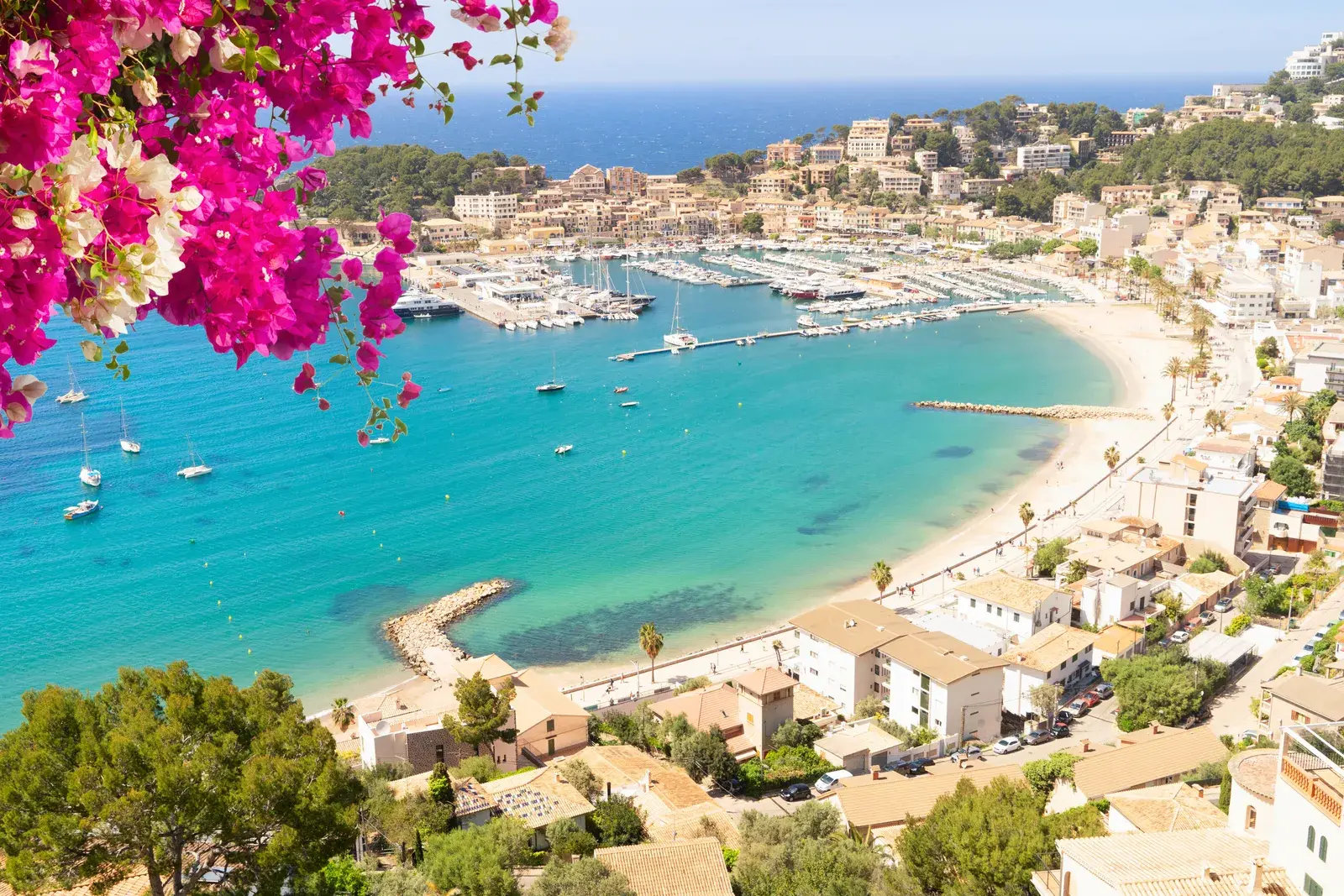
Few destinations in Europe have been photographed, visited, and written about as much as Mallorca and yet, few are misunderstood quite as often.
For decades, the island has appeared in holiday brochures and summer itineraries, its name becoming almost synonymous with beaches, sunshine, and Mediterranean escapes. While all of those things are certainly part of the story, they barely begin to explain why Mallorca continues to captivate travelers year after year.
It is an island of contrasts. An island where mountain villages and hidden coves exist alongside elegant city streets, where centuries-old traditions share space with contemporary gastronomy, and where the rhythm of Spanish life remains as important as the scenery itself.
Perhaps that is what makes Mallorca so difficult to define, every traveler seems to discover a different version of it.
Why Visit Mallorca?
The beauty of Mallorca lies in its ability to continuously surprise.
Many visitors arrive expecting long days by the sea and leave talking about mountain roads, local markets, village squares, and unforgettable meals that lasted far longer than planned. Others come for a weekend and quickly realise that the island deserves much more time than they initially imagined.
Unlike many Mediterranean destinations that revolve around a single experience, Mallorca feels remarkably diverse. One morning might begin with coffee in the historic streets of Palma, followed by a drive through the Serra de Tramuntana, a swim in a secluded cove, and an evening spent sharing tapas beneath the warm glow of a village square.
The island never feels limited to one identity.
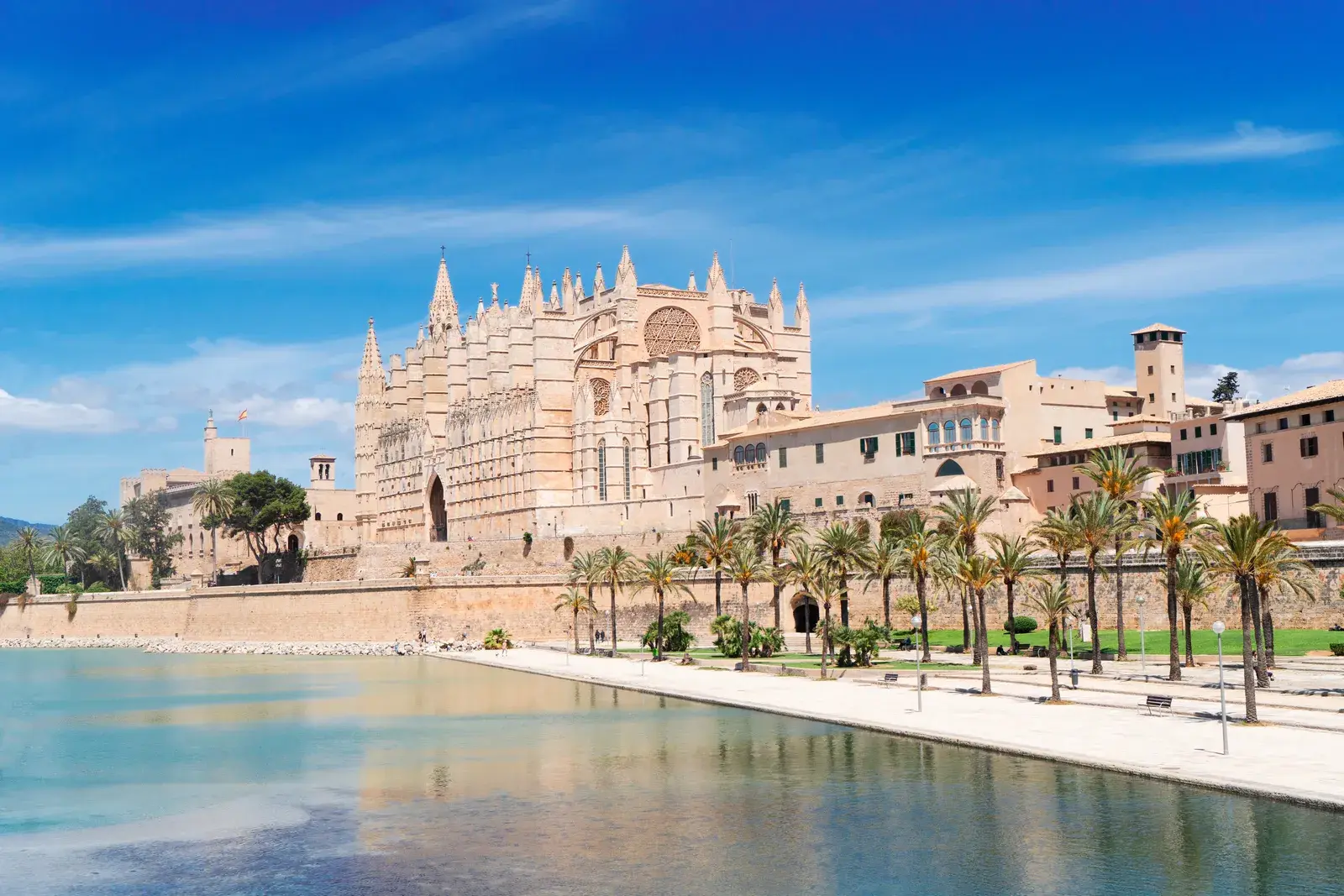
Beyond the Beaches
The coastline may first capture your attention, but it is often the interior that leaves the deepest impression.
Stretching across the island's northwest, the Serra de Tramuntana creates a landscape that feels entirely different from the Mallorca many first-time visitors expect. Recognized as a UNESCO World Heritage Site, its winding roads pass through dramatic mountains, olive groves, and villages that seem suspended between the sea and the sky.
Places like Valldemossa, Deià, and Sóller have long attracted artists, writers, and travelers seeking inspiration. Walking through their narrow stone streets, it becomes easy to understand why. Flower-filled balconies overlook centuries-old buildings, cafés spill into quiet squares, and life seems to move at a pace that encourages visitors to slow down with it.
Yet Mallorca's coastline remains impossible to ignore.
Around the island, hidden coves and turquoise bays appear between rugged cliffs, each offering a different perspective on the Mediterranean. Cala Deià, Cala Llombards, and the famous sands of Es Trenc have become beloved not simply because they are beautiful, but because they showcase how varied the island's landscapes can be.
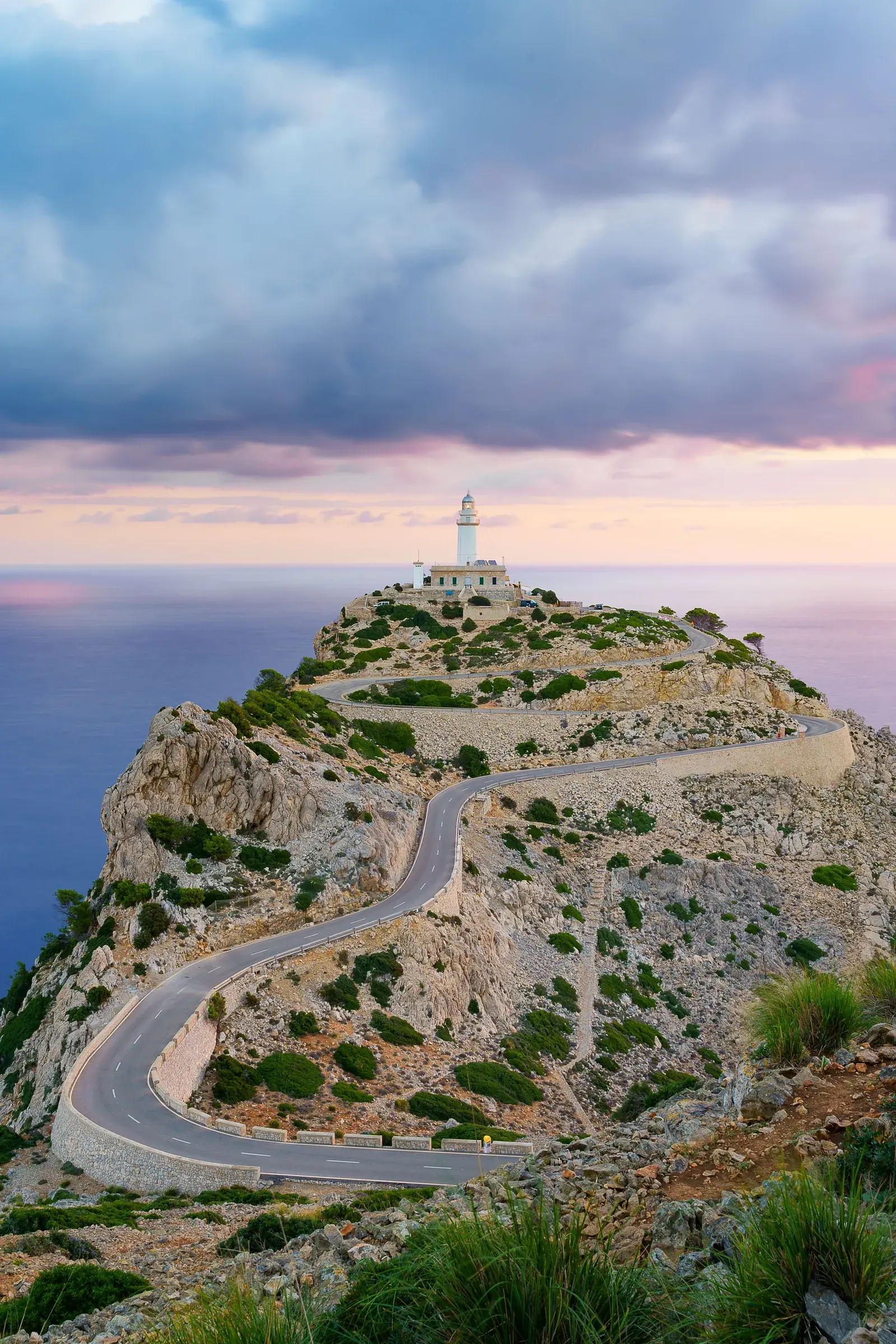
Further north, the road towards Cap de Formentor reveals some of the most dramatic coastal scenery in Spain. With every turn, the view seems to stretch a little further, inviting travelers to stop, linger, and appreciate the scale of the landscape around them.
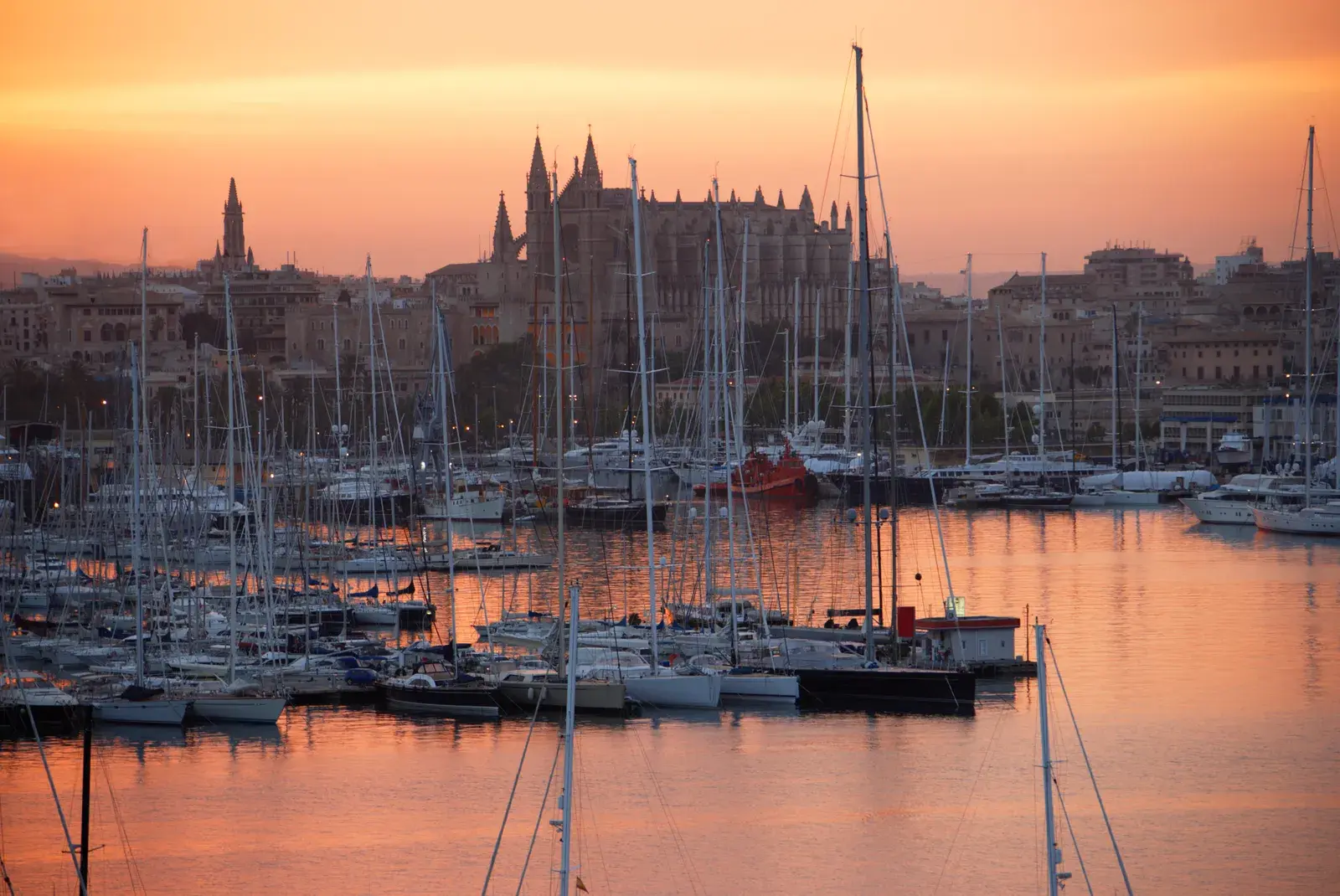
The Spanish Art of Living Well
What ultimately sets Mallorca apart is not a specific attraction, but a way of life that feels unmistakably Spanish.
Life here is lived outdoors whenever possible. Mornings begin in bustling cafés, local markets fill with seasonal produce, and afternoons drift naturally towards long lunches shared between friends and family. As the heat softens, village squares begin to fill once again, while restaurant terraces remain lively long after sunset.
The island understands that some of life's greatest pleasures are not experiences you book in advance.
They are found in a plate of freshly grilled seafood overlooking the sea, a glass of local wine enjoyed beneath olive trees, or a conversation that continues long after dinner should have ended.
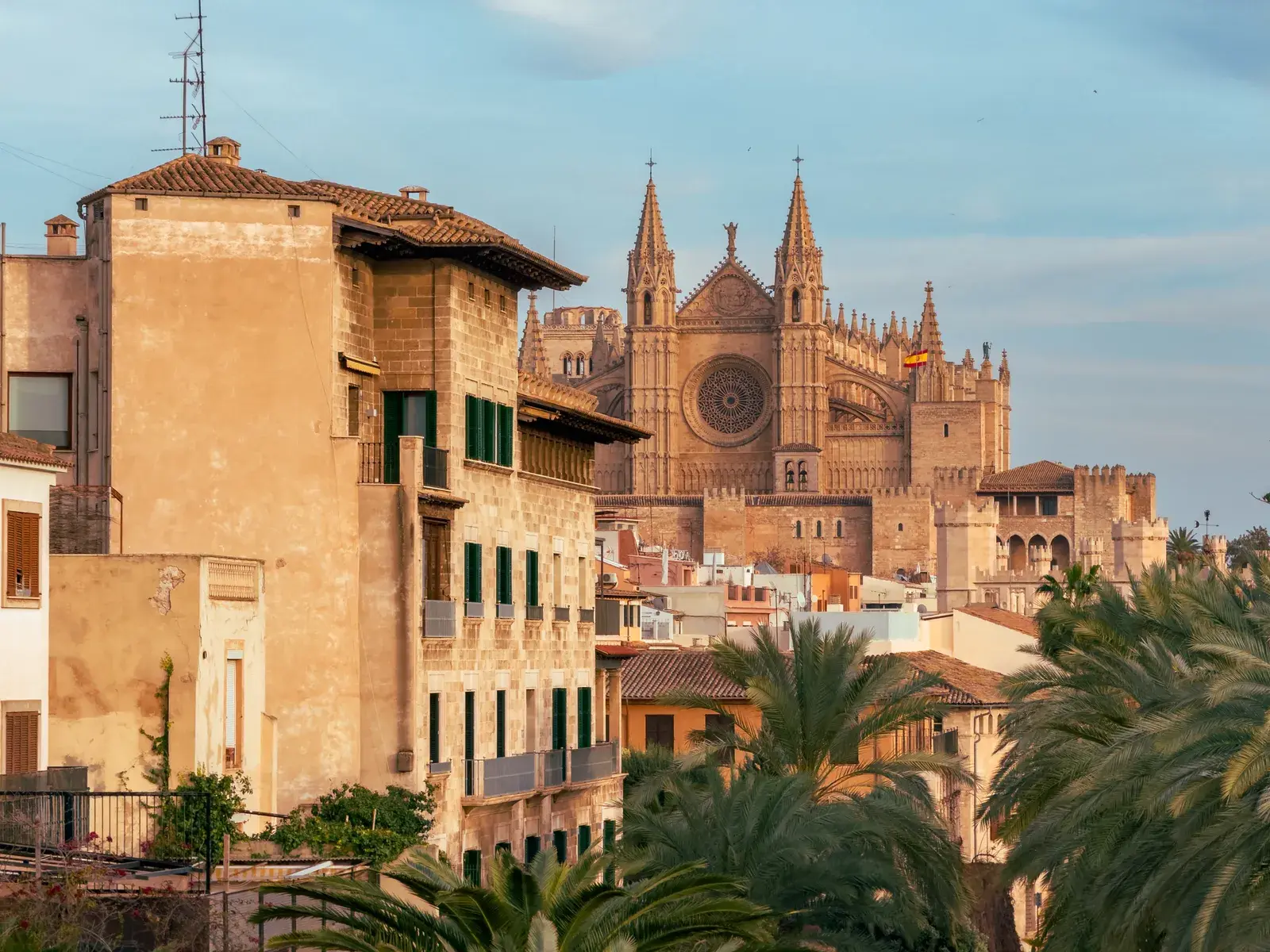
When Is the Best Time to Visit Mallorca?
Mallorca enjoys one of the longest travel seasons in the Mediterranean.
Spring brings wildflowers, green landscapes, and ideal conditions for exploring the island's villages and mountain trails. Summer fills the coastline with energy, while September and October offer warm seas, golden light, and a slower pace that many experienced travelers consider the island's most rewarding season.
Each time of year reveals a slightly different side of Mallorca.
How to Get to Mallorca by Ferry
Arriving by sea offers a perspective of Mallorca that many visitors never forget.
As the coastline gradually appears on the horizon, the island begins to reveal the same diversity that defines the experience of being there, mountains rising behind the shore, historic ports welcoming arrivals, and landscapes that hint at adventures waiting inland.
Popular ferry routes include:
- Barcelona to Mallorca Ferry
- Valencia to Mallorca Ferry
- Ibiza to Mallorca Ferry
- Menorca to Mallorca Ferry
- Mahon to Mallorca Ferry
- Formantera to Mallorca Ferry
- Denia to Mallorca Ferry
These connections make Mallorca an ideal destination whether you're arriving from mainland Spain or continuing a journey through the Balearic Islands.
The Island That Never Feels Finished
Most destinations eventually reveal everything they have to offer.
Mallorca does not.
Just when you think you understand the island, another village appears around the bend of a mountain road, another hidden cove emerges along the coastline, or another long evening reminds you why the Mediterranean has inspired travelers for centuries.
Perhaps that is Mallorca's greatest strength.
Not that it offers everything, but that it never feels like the same place twice.
Explore available ferry routes with SimpleFerry and begin your journey to Mallorca.
Inspired to travel? Search ferry routes and compare prices on SimpleFerry.