
Formentera: The Summer Destination Straight Out of Pinterest
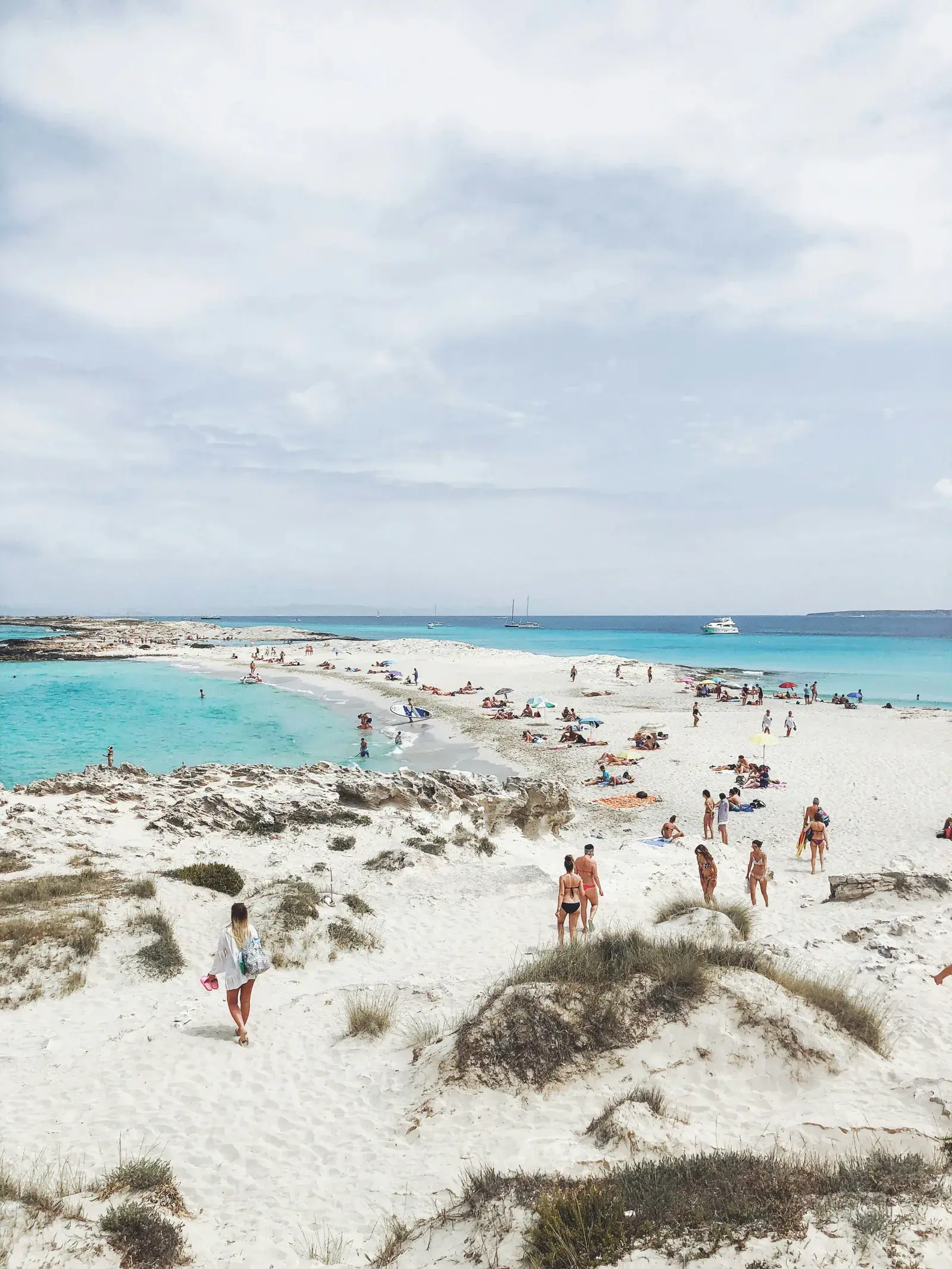
In a region filled with famous destinations, Formentera has taken a remarkably different path.
There are no grand cities, dramatic skylines, or endless lists of attractions competing for attention. It rarely dominates travel headlines in the way Ibiza, Mallorca, or Menorca do. In fact, many travelers first hear about Formentera almost by accident, usually through someone who has already been there and cannot stop talking about it.
Perhaps that is fitting.
Formentera has always felt less like a destination people discover online and more like a secret passed between travelers.
Located just south of Ibiza, it is the smallest of Spain's Balearic Islands, yet it possesses a character entirely its own. Life moves differently here. Roads are quieter, beaches feel wilder, and the pace of everyday life seems dictated by the sea rather than the clock.
The result is an island that feels increasingly rare in modern travel.
One that encourages visitors to do less, notice more, and remember what holidays are supposed to feel like.
Why Visit Formentera?
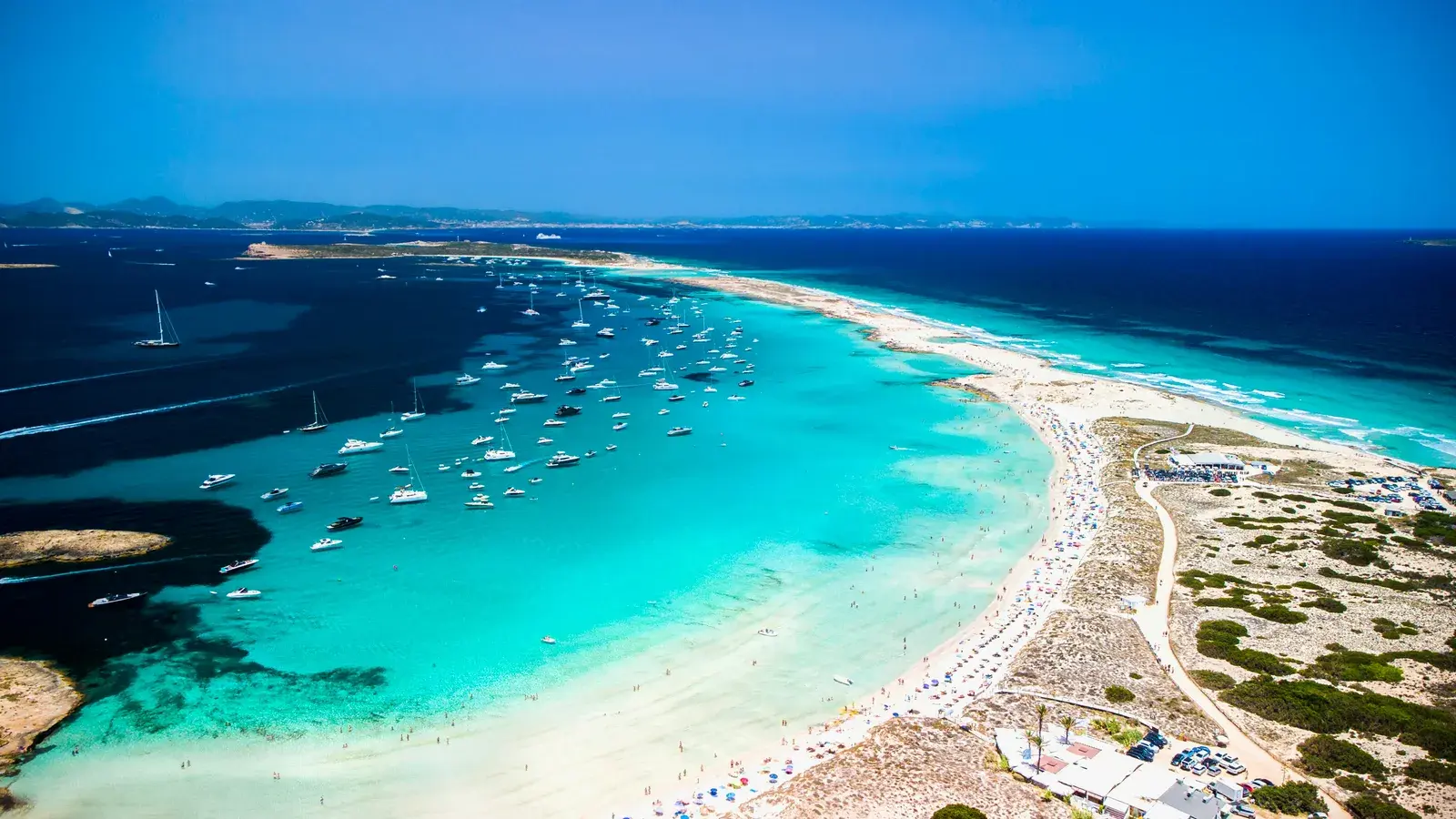
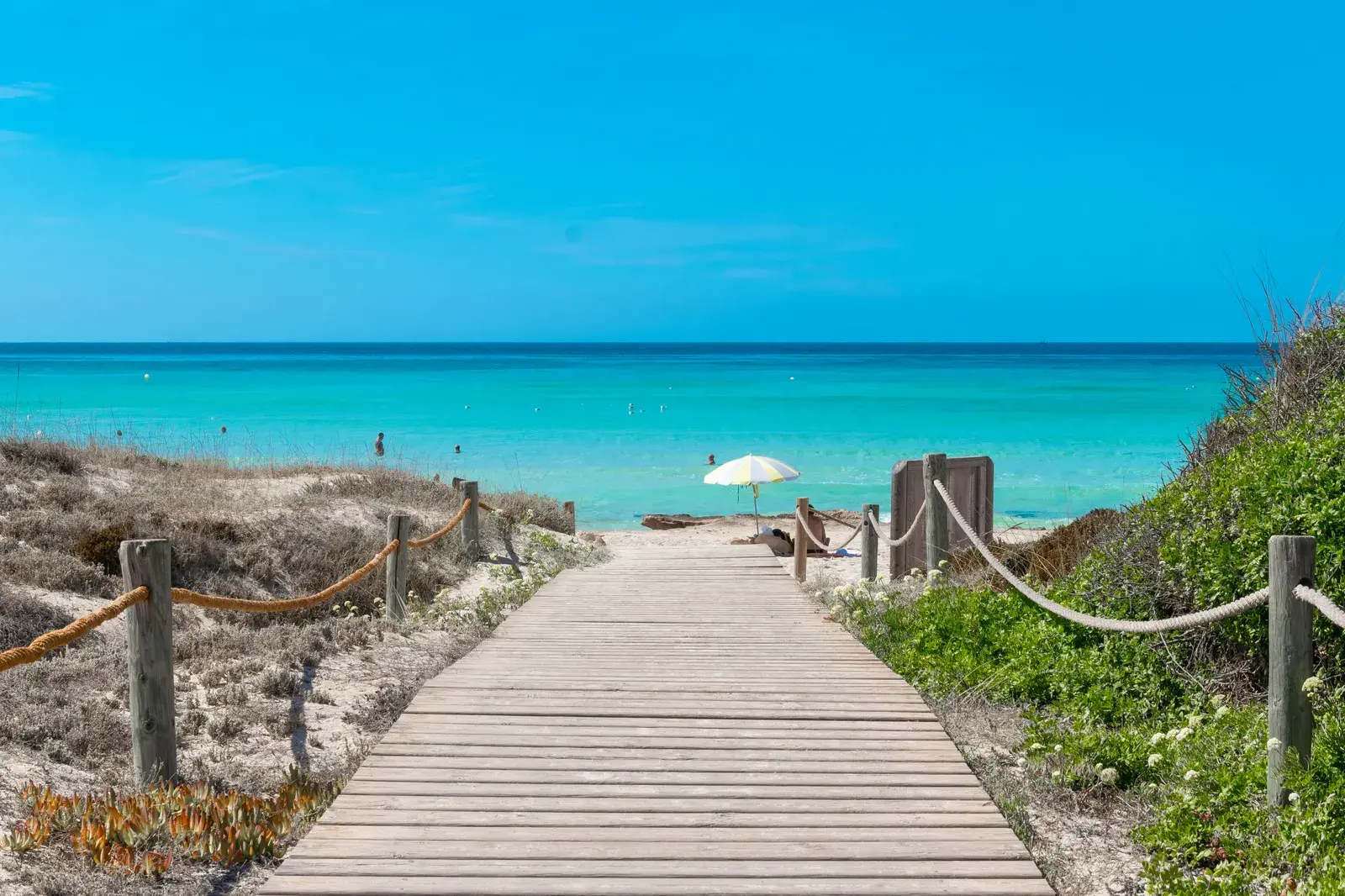
Formentera is often described as the Caribbean of the Mediterranean. The comparison usually begins with the water. Shades of turquoise and blue stretch far beyond the shoreline, meeting white sand beaches that feel almost impossibly pristine. On a calm summer day, the sea becomes so clear that boats appear to float above the surface rather than on it.
Yet reducing Formentera to its beaches would miss the point entirely.
What truly distinguishes the island is its atmosphere.
Unlike many destinations that constantly ask for your attention, Formentera seems content to simply exist. There is no pressure to rush between landmarks, no feeling that you are missing out if you are not following a schedule. Days unfold naturally here, shaped by long swims, slow lunches, and spontaneous detours down quiet coastal roads.
Where the Mediterranean Feels Untouched
The landscapes of Formentera possess a kind of understated beauty.
The island does not rely on dramatic mountains or famous monuments. Instead, its appeal comes from open horizons, protected natural areas, and coastlines that seem remarkably untouched despite their growing popularity.
Along the northern coast, Ses Illetes Beach has become one of the most celebrated stretches of sand in Europe. Its shallow turquoise waters and white shoreline often draw comparisons to destinations thousands of kilometres away, yet the surrounding scenery remains unmistakably Mediterranean.
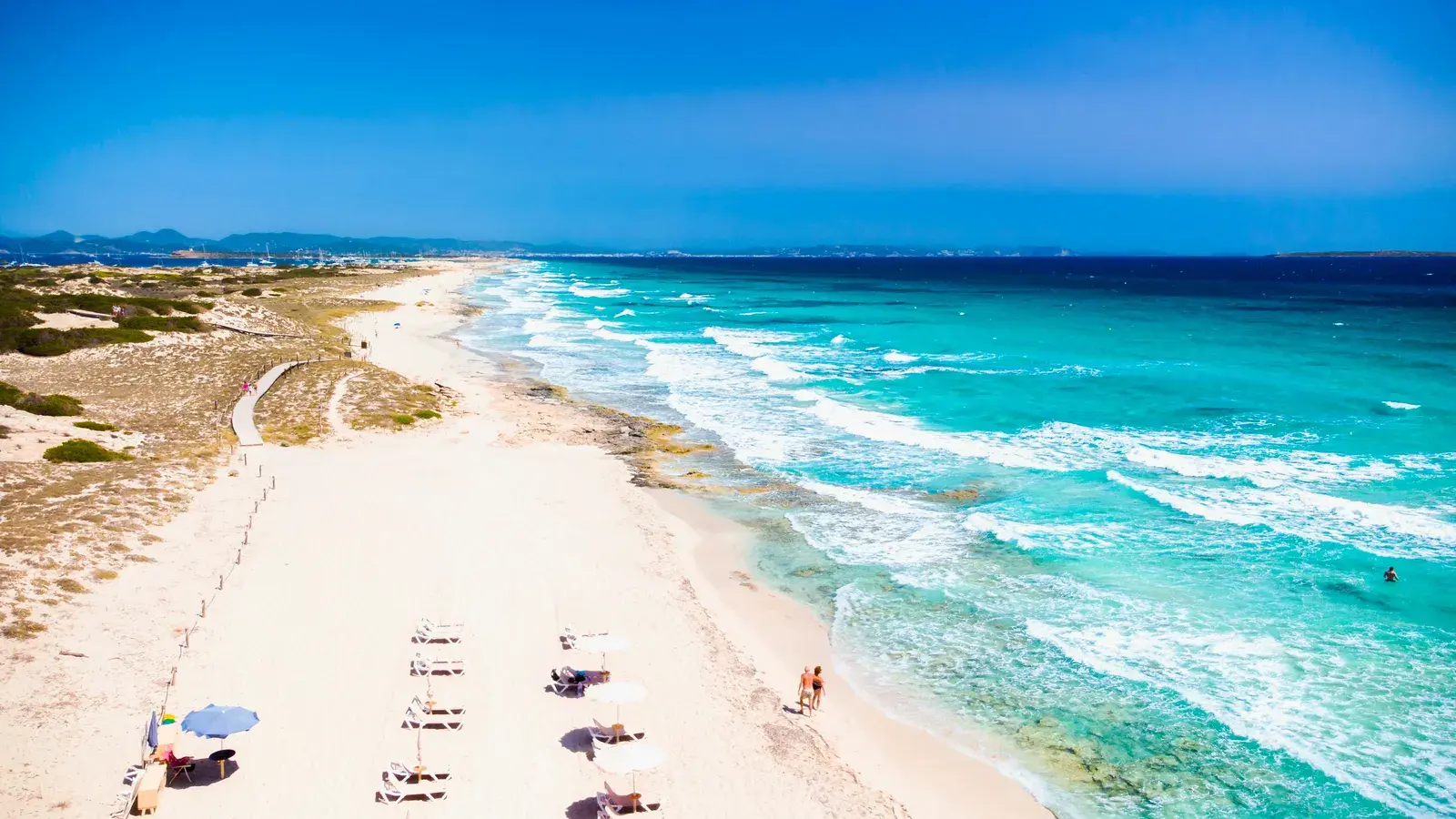
Further south, Playa de Migjorn offers a different experience entirely. Here, the coastline stretches for kilometres, revealing small coves, beach bars, and quieter corners where the sea remains the main attraction.
Away from the beaches, the island's interior tells another story. Pine forests, traditional stone walls, and rural landscapes create a setting that feels far removed from the busier parts of the Balearic Islands. Villages such as Sant Francesc Xavier provide a glimpse into local life, where whitewashed buildings surround small squares and daily routines continue much as they always have.
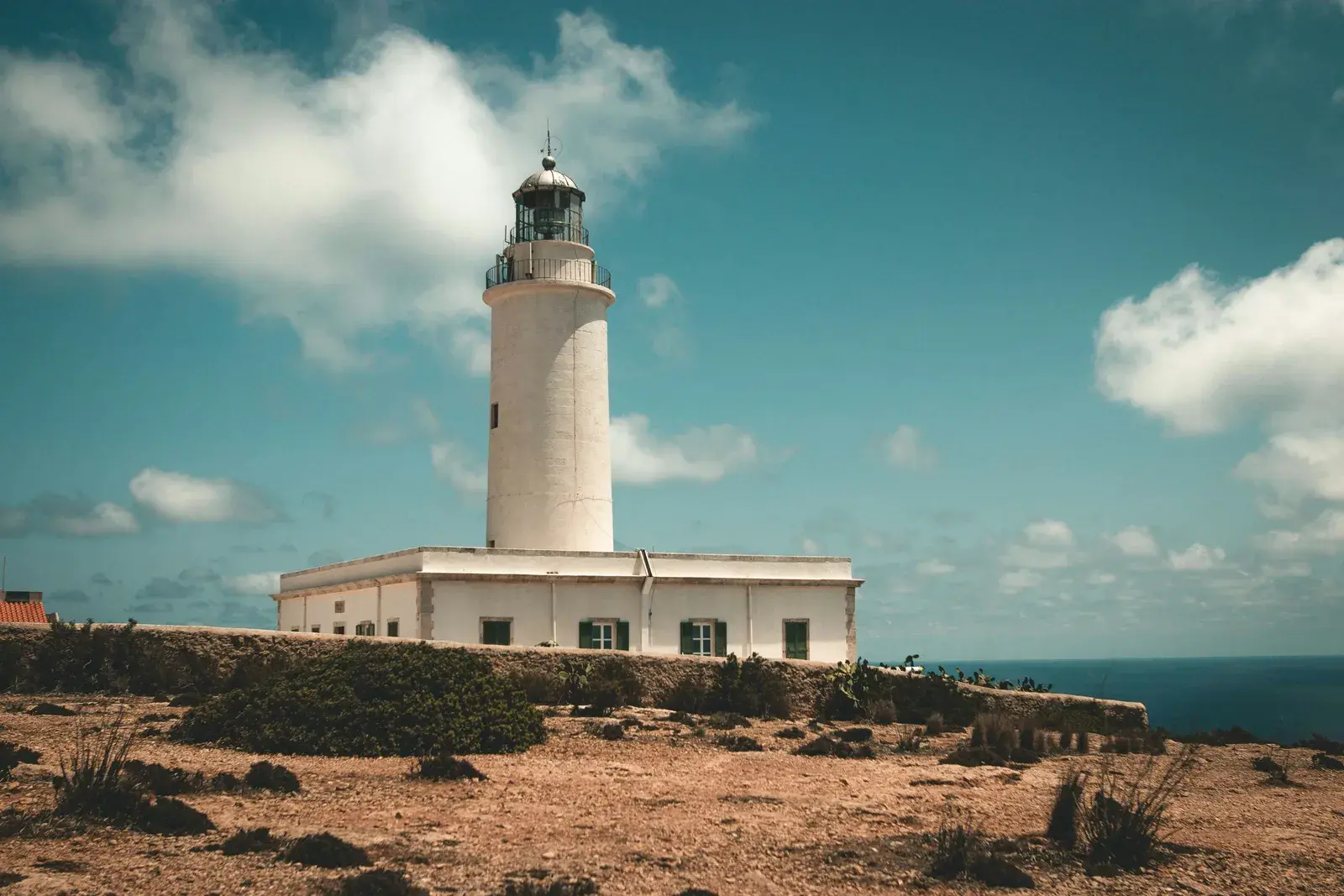
At the eastern edge of the island, La Mola Lighthouse stands above dramatic cliffs overlooking the Mediterranean. The journey there is as memorable as the destination itself, passing through landscapes that seem untouched by time and offering some of the island's most breathtaking views.
The Luxury of Simplicity
Formentera's greatest luxury is found in the simplicity of everyday life on the island. Days here are rarely structured around plans or itineraries. Instead, they unfold naturally, guided by the weather, the sea, and the quiet temptation to stay a little longer wherever you happen to be.
A morning swim can easily turn into an afternoon spent at a beachside restaurant overlooking the Mediterranean, while a walk along the coast often leads to hidden coves and viewpoints that were never part of the original plan. Time feels noticeably different on Formentera.
What makes this rhythm so appealing is that it doesn't feel designed for visitors. It is simply the way the island has always existed. Travelers don't come to Formentera to follow its pace; they gradually find themselves becoming part of it.
When Is the Best Time to Visit Formentera?
The island is at its most vibrant between late spring and early autumn.
May, June, September, and early October are particularly rewarding, offering warm temperatures, crystal-clear water, and a more relaxed atmosphere than the peak summer weeks. During these months, visitors can experience Formentera much as locals do. With enough energy to feel alive, yet enough space to truly appreciate its natural beauty.
How to Get to Formentera by Ferry
Part of Formentera's charm lies in the fact that arriving requires a journey across the sea.
As the island gradually emerges from the horizon, its low-lying coastline, turquoise waters, and lighthouses create one of the most beautiful ferry arrivals in the Mediterranean.
Popular ferry routes include:
- Ibiza to Formentera Ferry
- Denia to Formentera Ferry
- Barcelona to Formentera Ferry
- Palma de Mallorca to Formentera Ferry
These connections make Formentera easily accessible whether you're visiting for a day, a weekend, or as part of a wider Balearic island-hopping adventure.
The Island That Stays With You
Long after the journey home, people tend to remember the colour of the water, the silence of the coastline, and the feeling that time moved differently there.
In a world increasingly defined by speed, Formentera remains one of the few places that still feels comfortable taking its time.
And after a few days on the island, you may find yourself doing the same.
Explore available ferry routes with SimpleFerry and begin your journey to Formentera.
Inspired to travel? Search ferry routes and compare prices on SimpleFerry.